
The “No Access” Problem in Modern Vehicle Construction
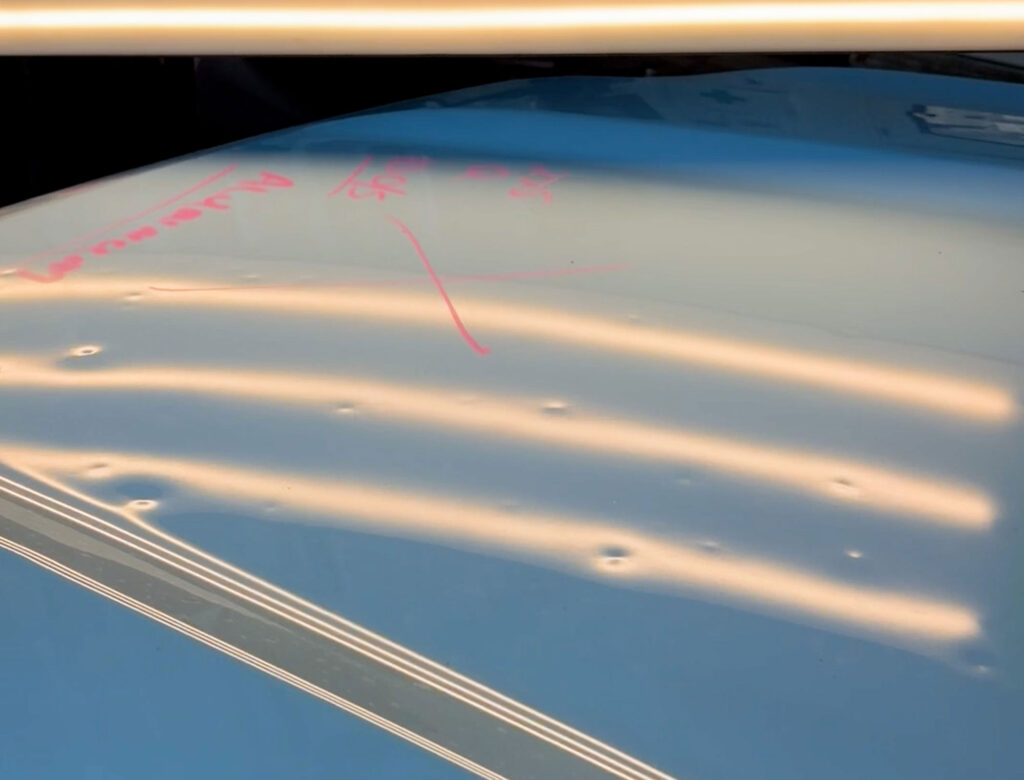
Modern vehicles are safer, stiffer, and better insulated than ever before. However, those same structural engineering advancements present a real challenge when a vehicle sustains a door ding, hail damage, or a high-tension body line dent.
Understanding Double-Walled Panels and Structural Bracing
To absorb impacts and meet federal safety standards, automotive manufacturers place internal support beams, intrusion bars, and secondary structural skins inside doors, quarter panels, and roof structures. Roof rails feature reinforced box tubing to protect passengers during a rollover. Fenders and quarter panels often sit over secondary inner wheel housings.
When a dent lands directly over one of these internal support structures, the metal is effectively double-walled. The gap between the outer sheet metal and the inner structural brace can be less than a millimeter, or completely sealed off with factory structural foam and acoustic dampening materials.
Why Traditional PDR Rods Cannot Reach Every Dent
Traditional Paintless Dent Repair relies on pushing metal from the inside out. A technician inserts specialized steel rods, hand tools, or whale tails behind the panel, using leverage to massage the dent back into its original shape.
When internal bracing blocks the back of the panel, there is simply no path to slide a tool behind the dent. In the early days of auto body repair, technicians faced two bad options for these blind spots:
- Drilling an unapproved access hole through the inner door jam or panel structure, compromising rust protection and structural integrity.
- Sending the car to a conventional body shop to grind the original paint down to bare metal, weld pull-studs into the sheet metal, slather the area in plastic body filler, and repaint the entire panel.
Glue Pull Repair changed everything by eliminating the need to reach behind the metal entirely.
What is Glue Pull Repair (GPR)?
Glue Pull Repair is an advanced Paintless Dent Repair methodology that extracts dents entirely from the front side of the panel. Instead of pushing metal from the inside out, GPR bond specialized plastic tabs to the exterior painted surface using high-tensile hot melt adhesives, then uses targeted mechanical force to pull the metal back to its factory position.
The Mechanics of Exterior Metal Elevation
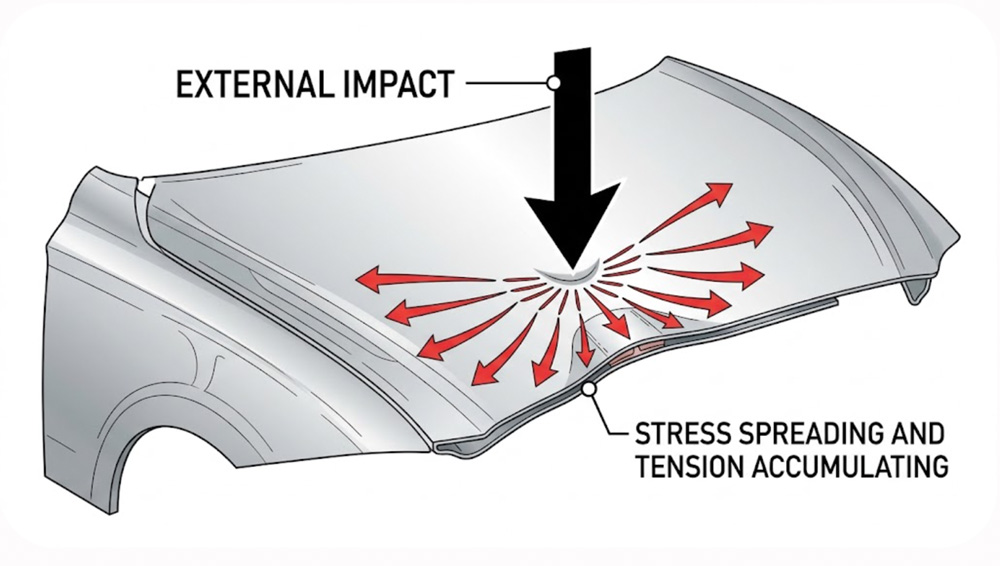
GPR operates on the physics of tension and metal memory. Sheet metal is stamped into shape at the factory under thousands of pounds of pressure, establishing a structural memory. When a dent occurs, tension distributes unevenly across the panel, creating low spots at the point of impact and high spots called crowns around the perimeter.
By adhering specialized tabs directly into the deepest valley of the dent, technicians apply controlled, linear tension. This tension pulls the low spot upward while relieving the trapped energy held in the surrounding crowns. Once the metal is raised back to height, a alcohol-based release solution breaks the bond between the glue and the clear coat, leaving the factory paint completely unharmed.
Tool Breakdown: Tabs, High-Tensile Adhesives, and Blending Hammers
Executing a successful glue pull requires specialized equipment engineered specifically for automotive sheet metal repair:
- Blending Hammers and Knockdowns: Handcrafted tools made from polished steel, titanium, or specialized plastics used to gently tap down surrounding high spots while tension is applied to the panel.
- Pulling Tabs: Manufactured in various geometric shapes, sizes, and flexibility levels. Rigid tabs concentrate force over a tiny area for sharp dents, while flexible, slotted tabs distribute lifting force along long creases or wide hail damage.
- High-Tensile Adhesives: These are not standard craft store glue sticks. PDR adhesives are engineered polymer formulas designed for rapid setup, high shear strength, and clean release capabilities without tearing factory clear coat.
- Mini-Lifters and Slide Hammers: A mini-lifter provides controlled, leverage-based upward tension for small dents. A slide hammer delivers sharp, dynamic impact force needed to move stubborn, thick sheet metal or high-tension body lines.
The Deep Context: Metal Memory, Tension, and Paint Adhesion
Understanding why Glue Pull Repair works requires a look into metallurgy and paint dynamics. Sheet metal under tension behaves like a stretched spring. A dent is not just a dip in the surface; it is a system of trapped forces.
Lateral Tension vs. Direct Pull Force
When an object strikes a vehicle, it pushes metal downward into a valley (-) and creates a surrounding high ring or crown (+). If a technician simply pulls hard on the center low spot without addressing the surrounding crown, the metal will fight back, creating an over-stretched bubble that cannot lie flat.
Professional GPR involves a process known as stress relief:
- Release Energy: Relieving the high spots allows the trapped lateral tension in the valley to relax, allowing the center to rise naturally back to original height.
- Apply Tension: Place the tab and apply upward tension using a pulling bridge or mini-lifter.
- Relieve Crowns: While the tab holds the low spot under upward load, the technician light taps the surrounding crowns using a blending hammer and a soft-tipped knockdown tool.
The Physical Risk of Over-Pulling: Metal Stretching and Oil-Canning
Sheet metal has an elastic limit. If you pull past that elastic limit, the metal permanently stretches.
An inexperienced technician who slaps on a glue tab and yanks upward with brute force runs the risk of creating an over-pulled high spot. If metal gets severely over-stretched, it loses its structural integrity and forms what the industry calls an “oil-can”—a loose section of metal that pops up and down like the bottom of an old-fashioned oil can. Fixing an oil-can requires advanced thermal shrinking or specialized metal-finishing techniques.
Clear Coat Mechanics and Temperature Control
The bond strength of PDR hot-melt adhesive depends heavily on surface temperature.
The Sweet Spot (75°F to 85°F): At optimal panel temperature, the adhesive forms a secure mechanical bond with the microscopic pores of the clear coat, holding strong enough to move heavy sheet metal while releasing cleanly when treated with isopropyl alcohol.
Too Cold (Below 65°F): The glue becomes brittle. When pulled, the bond snaps prematurely before moving the metal, or worse, risks tearing clear coat off refinished panels.
Too Hot (Above 90°F): The adhesive stays gummy and loses its shear strength, sliding across the paint rather than pulling the metal up.
Glue Pull Repair vs. Traditional Body Shop Repairs
|
Repair Feature |
Glue Pull Repair (PDR) |
Traditional Body Shop |
|---|---|---|
|
Factory Paint Finish |
100% Original Paint Intact |
Grinded off, filled, and repainted |
|
Backside Panel Access |
Not Required |
Requires cutting, drilling, or gutting trim |
|
Vehicle Resale Value |
Maintained (No Carfax paint notes) |
Reduced due to aftermarket paint records |
|
Turnaround Time |
Potentially Same-Day Service |
1 to 2 Weeks in a paint shop |
|
Structural Integrity |
Unchanged |
Altered by body filler and paint blending |
|
Eco-Friendly |
Zero VOCs or Hazardous Waste |
High chemical waste and paint fumes |
Why DIY Glue Pulling Causes Permanent Damage
Over-the-counter glue pull kits sold online make dent repair look easy in short video clips. In reality, DIY attempts often turn a minor repair into an expensive bodyshop visit.
The Danger of Over-Pulling and Metal Stretching
Inexpensive consumer pullers lack precision tension adjustments. A user snaps the puller onto the tab, squeezes hard, and instantly over-pulls the dent into a sharp, ugly peak. Once sheet metal is pulled past its flat plane, you cannot simply push it back down without causing secondary distortion.
How Off-the-Shelf Kits Rip Clear Coat
DIY kits typically ship with generic, low-grade hot glues that lack engineered release properties. Combined with improper panel prep or unmeasured panel temperatures, pulling with these adhesives can pull the clear coat right off the paint base layer. If the clear coat peels, Paintless Dent Repair is no longer an option, and the vehicle must be completely resprayed at a body shop.
Why DIY Glue Pulling Causes Permanent Damage
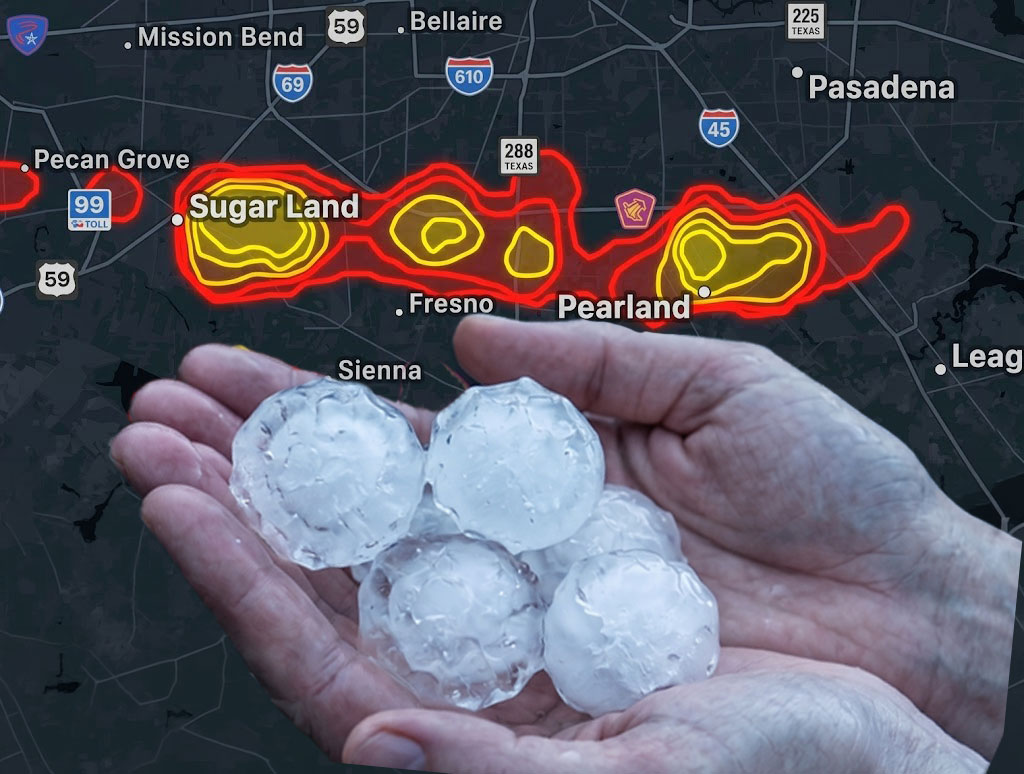
Drive around Houston long enough, and your car will inevitably pick up a dent. Heavy hail storms roll through the Spring Branch area, and crowded parking garages in the Energy Corridor, Memorial City, and CityCentre lead to door dings on double-walled body lines.
Located just off the Sam Houston Tollway and Interstate 10, American Dent Specialists has spent over 25 years helping Houston drivers protect their vehicle’s factory finish. Whether your car sustained severe hail damage, a shopping cart crease, or a zero-access door ding, our certified technicians have the experience to repair it correctly without body filler or fresh paint.
Frequently Asked Questions About Glue Pull Repair
Connect with the Pros
Need an honest assessment of your vehicle after a storm? You don’t have to use your insurance company’s suggested shop. Stop by to see us or connect with our team through any of the channels below.
📍 Visit the shop: 1729 Brittmoore Road, Unit G, Houston, TX 77043
📞 Call us: (281) 660-3178
📅 Schedule: americandentspecialists.com
Need a Paintless Dent Repair Quote?
Just send us pictures of your damage and we’ll get you a personalized quick estimate!